Why is a preventive Check-up vital?
Many cardiac conditions, such as silent hypertension or atherosclerosis, show no symptoms or discomfort in their initial stages, developing secretly while quietly damaging your cardiovascular system.
Finding out about a critical risk factor only when a serious event occurs (like a heart attack) severely limits your prevention window, making treatment more complex and putting your life at risk unexpectedly.
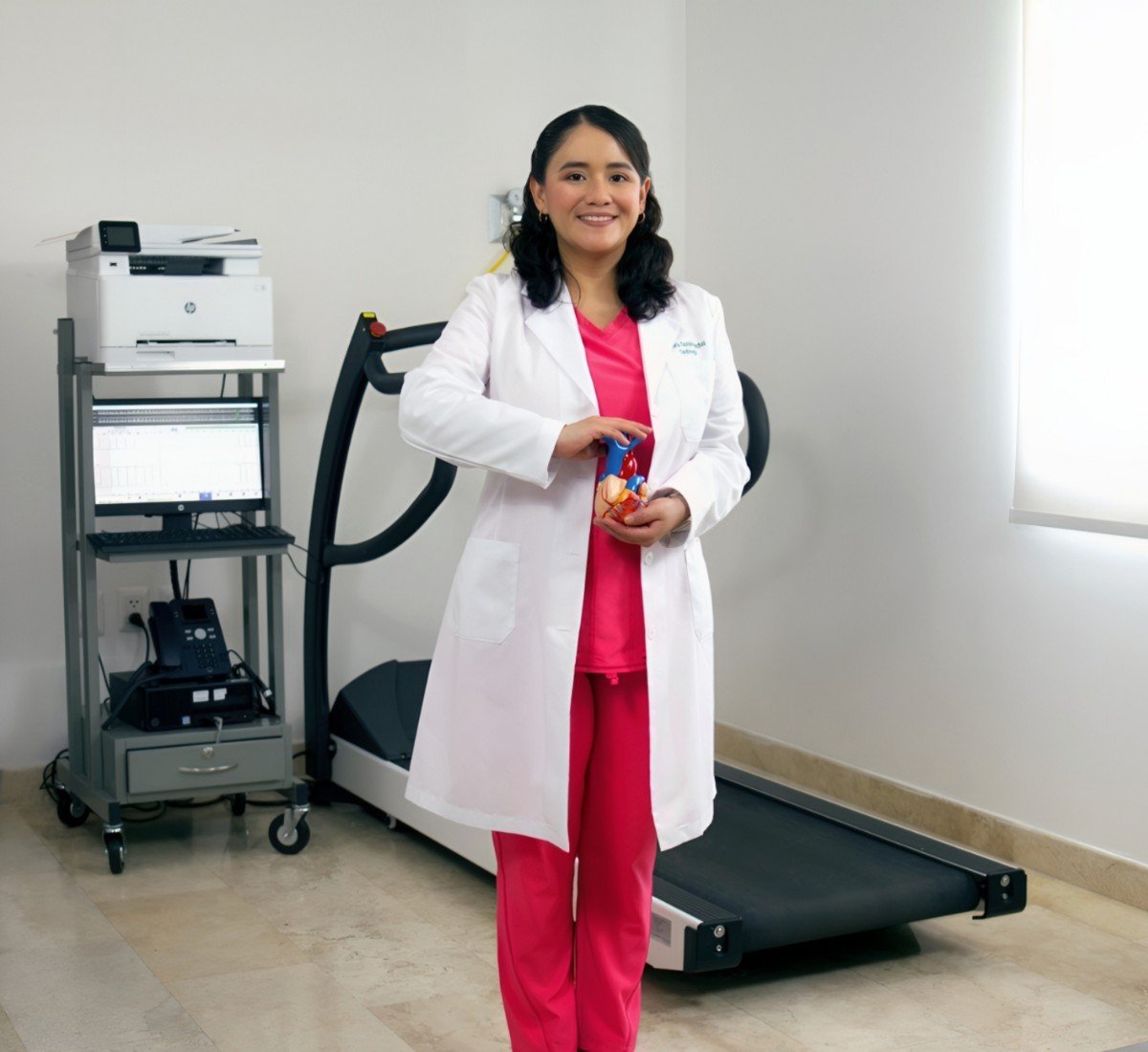
A comprehensive preventive check-up with Dr. Karla Castolo helps identify anomalies before they produce symptoms, giving you a clear diagnosis and precise recommendations to protect your heart over time.
Cardiologist-Led Assessment
Unlike generic hospital packages where evaluations are often delegated to general practitioners on duty, your check-up and test interpretations in our office are conducted directly by Dr. Karla Castolo, Board-Certified Clinical Cardiologist.
What is a cardiology check-up?
It is a preventive evaluation that integrates medical assessment and selected studies to know the current state of your heart and your cardiovascular risk.
The goal is for you to have clarity: how you are doing today, what you need to watch out for, and what habits you should prioritize before complications arise.
Who is it recommended for?
- You are 40 years old or older and want to prevent heart disease.
- You live with hypertension, diabetes, or high cholesterol.
- You have a family history of cardiovascular disease.
- You lead a sedentary or high-stress lifestyle.
- You want to start exercising with medical guidance.
- You feel well, but are looking for peace of mind backed by evidence.
Are you experiencing active cardiac symptoms?
The cardiac check-up is exclusively a preventive service for asymptomatic individuals. If you have chest pain or tightness, sudden shortness of breath, rapid heart palpitations at rest, or fainting spells, you should not schedule a preventive check-up. Please go immediately to the Emergency Room at Hospiten Puerto Vallarta or contact emergency services.
How does it work?
Orientation and Scheduling
Contact us via WhatsApp. We will guide you on preparation (e.g., fasting, comfortable clothing) and schedule your appointment at the best available time.
Assessment and Definition
In-office medical history and physical examination. We identify your specific risk factors to define the most appropriate preventive tests.
Performing Studies
The indicated diagnostic tests (such as ECG, Doppler Echocardiogram) are performed using high-tech equipment at Hospiten.
Results and Plan
You receive the interpretation of your studies explained in simple language, along with a printed clinical report and a practical control and follow-up plan.
Studies that can be part of the check-up
In our practice, we believe in personalized prevention. We do not begin with a one-size-fits-all package: we start with your clinical evaluation and, according to your risk factors, recommend studies that can provide useful information for your cardiovascular health:
Electrocardiogram
Resting recording of the heart's rhythm to orient electrical findings. View details of the ECG
Echocardiogram
Evaluates the structure and function of the heart (valves and pumping strength). View details of the Echocardiogram
MAPA 24 Hours
Blood pressure monitoring to confirm diagnosis and detect variations during day and night. View details of the MAPA
Stress Test
Evaluates cardiovascular response and functional capacity during physical exercise. View details of the Stress Test
You will leave with a clear plan
Risk Level
Clear explanation of your current cardiovascular status.
Recommendations
Practical guide for blood pressure control, physical activity, and healthy habits.
Follow-up Plan
When to return, what to check, and warning signs to watch out for.
Safety: The most important thing
The goal of the check-up is prevention and clarity, not to alarm you. If anything that requires attention is found during the evaluation, it is explained calmly and the next clinical step is defined.
At-hospital care within Hospiten Puerto Vallarta (JCI Accredited).
Why choose Dr. Karla Castolo?
Dr. Karla Castolo
Certified Cardiologist
- Clinical cardiologist with a high specialty in Cardiac Rehabilitation.
- Care conforming to international standards in Hospiten Puerto Vallarta.
- Human approach: clear explanation of diagnosis, patience, and close follow-up.
- 100% bilingual care (Spanish / English).