
Having a heart attack does not mean giving up movement. On the contrary: starting supervised exercise reduces mortality, improves strength and decreases anxiety in those who have experienced a coronary event. This step-by-step guide explains, when y how return to physical activity after a heart attack, according to the most recent recommendations of the American Heart Association (AHA) and the European Society of Cardiology (ESC).
Why is it crucial to move after a heart attack?
- Less risk of relapse: adding just 30 min daily of light activity can reduce the likelihood of another cardiovascular event by up to 50 %.
- Better long-term prognosis: each 1 MET increase in aerobic capacity cuts mortality 13-18 %.
- Emotional health: rehabilitation with exercise reduces anxiety and depression associated with infarction.
Proven clinical benefits
| Benefit | Evidence 2023-2025 |
|---|---|
| ↓ Cardiovascular mortality | Participating in supervised exercise programs lowers the risk of death from cardiac causes by 20-25 % |
| ↓ Hospital readmissions | Active patients readmitted 15-20 % less during the subsequent 12 months |
| ↑ Functional capacity | Average gain of 1-3 METs after 12 weeks of progressive training. |
When to start: rehabilitation phases
Phase I (inpatient)
Initiates 24-48 h after the event if the condition is stable.
- Gentle mobilization of arms and legs in bed.
- Short walks along the corridor under clinical supervision.
- Basic education in breathing and prevention of sudden efforts.
Phase II (early ambulatory)
Weeks 1-4 after discharge.
- Supervised sessions of 20 minutes, 3 times a week.
- Intensity at 40-50 % of maximum heart rate (HR max).
- Review of posture, gait and vital signs at each visit.
Phase III (progressive ambulatory)
Months 2-3.
- Continuous aerobics 30-45 min at 50-70 % HR max.
- Introduction of light strength (1-3 kg) for upper and lower body.
- Nutritional counseling and stress management included.
Phase IV (lifetime maintenance)
- 150 min/wk of moderate exercise or 75 min/wk of vigorous, following the AHA.
- Semi-annual re-evaluation with stress test to adjust training zones.
Recommended types of exercise
| Modality | Target | Practical example |
|---|---|---|
| Continuous aerobic | Improve resistance and control pressure | Walking at 4 km/h 30 min |
| Moderate intervals | Raise VO₂ max without overload. | 2 min fast / 2 min slow × 10 |
| Light force | Maintaining muscle mass | Chair squat, banded press |
| Flexibility | Reduce post-surgery stiffness | Calf stretch 30 s |
High-Intensity Interval Training (HIIT) can be as safe and effective as continuous exercise in stable patients, always under monitoring and after medical evaluation.
Intensity zones: how to measure your effort
- Target heart rate (target FC):
- Phase II: 40-50 % HR max.
- Phase III: 50-70 % HR max.
- Estimated HR max = 220 - age.
- Borg scale (0-10): works between 3 and 5 (moderate).
- Continuous speech: if you can speak in complete sentences without gasping, the intensity is adequate.
Warning signs: when to stop exercising
- Chest pain or pressure that does not subside with rest.
- Disproportionate lack of air.
- Severe dizziness or nausea.
- Heart rate exceeding 85 % HR max without medical indication.
- Systolic pressure drop ≥ 10 mmHg during the activity.
In case of any symptoms, stop the session and inform your cardiologist.
Frequently asked questions about post-infarction exercise
Can I do weights?
Yes, but it starts with very light loads (≤ 30 % of 1 RM) and gradually increases after 6 weeks, controlling breathing to avoid Valsalva maneuver.
When can I drive again?
The majority of patients resume safe driving after 3-4 weeksThe patient should not present arrhythmias or chest pain on exertion.
Is a heart rate monitor necessary?
It is not mandatory, but it makes it easier to stay in the prescribed zone and to detect excess intensity, especially in the early stages.
What if I am unable to attend the rehabilitation center?
The programs home-based with telemonitoring have proven to be as effective as face-to-face monitoring in improving functional capacity. Ask about remote monitoring alternatives.
Digital age: applications and mHealth
Mobile platforms that record pulses and steps support rehabilitation and increase adherence, according to a 2024 meta-analysis. Choose apps validated by your healthcare provider and link the data to your clinical record.
Next step to resume physical activity
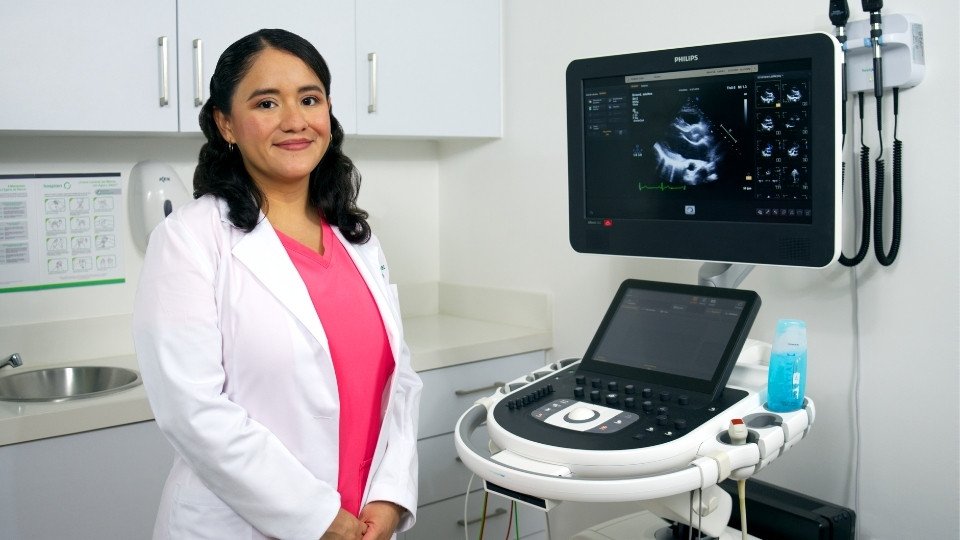
The post-infarction exercise is your most powerful ally to reduce risk and recover quality of life. Program a assessment with Dr. Karla Castolo to receive a personalized training plan, based on your current condition and the goals you wish to achieve.
Note: This content is educational and does not replace face-to-face consultation. In case of warning symptoms, go to the emergency department.