
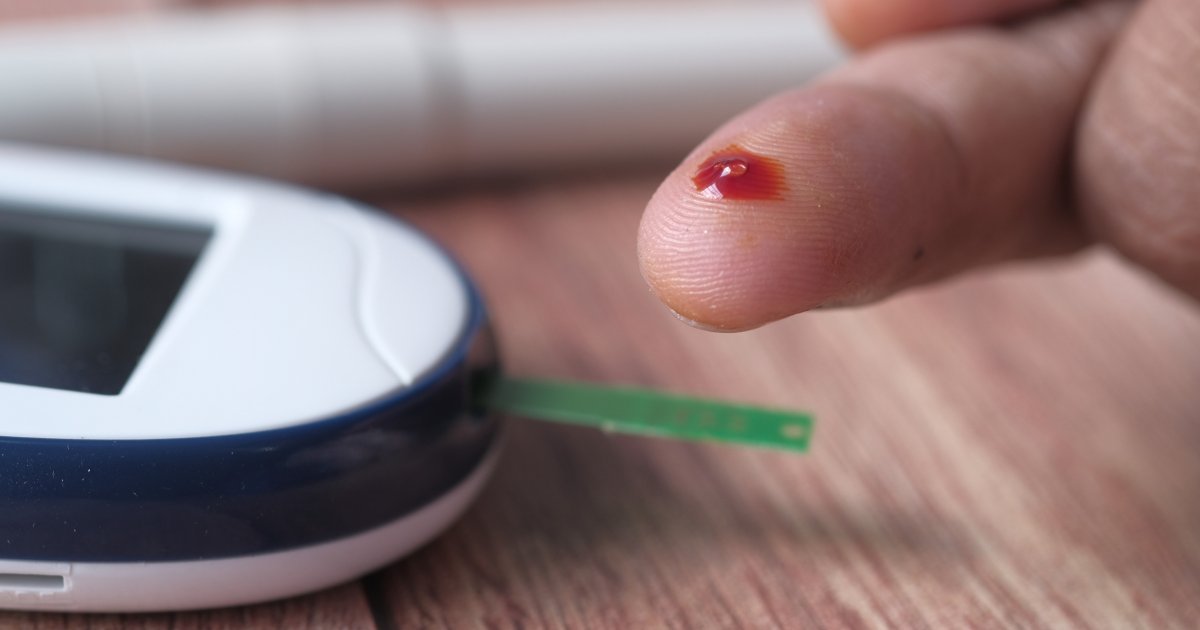
The diabetes not only affects blood sugar. Over time, it significantly increases the risk of infarction, cerebral event and heart failure, especially when blood pressure and cholesterol are not well controlled.
In this guide you will see:
- How they are related diabetes and heart.
- What are the practical goals blood pressure, cholesterol and glucose levels.
- What studies are typically used to monitor risk.
- When to adjust treatment and request a cardiological evaluation.
Why diabetes increases cardiovascular risk
In diabetes, chronically elevated glucose produces:
- Damage to the wall of the arteries, facilitating the formation of cholesterol plaque.
- Increased tendency to inflammation and thrombosis.
- Lipid alterations: high triglycerides, low HDL (“good cholesterol”) and more atherogenic LDL particles.
- Increased probability of arterial hypertension.
All this translates into:
- Myocardial infarction at younger ages.
- Increased risk of cerebral events.
- Heart failure, even with apparently “clean” coronary arteries.
This is why people with diabetes talk about addressing the famous “ABC”:
A of A1c (glucose), B Blood pressure and C of Cholesterol.
Blood pressure goals in people with diabetes
High blood pressure is one of the factors that most increases cardiovascular risk in diabetes. In general:
- In many adults with diabetes, blood pressure below 130/80 mmHg, provided it is well tolerated and does not cause dizziness or falls.
- In some elderly or frail people, slightly less stringent goals are individualized.
Practical recommendations:
- Measure your blood pressure regularly, not only at the doctor's office.
- Learn how to do it well at home and, when in doubt, supplement with studies such as the ambulatory blood pressure monitoring (24 h MAPA).
- Adjust medications based on objective data, not just an isolated measurement.
If you find it difficult to maintain stable figures or there are marked differences between what you see at home and what appears in the office, it makes sense to review it within a cardiological check-up.
Cholesterol goals in diabetes
In diabetes, LDL (“bad cholesterol”) cholesterol targets are typically more stringent than in people without metabolic disease, because the cardiovascular risk is higher.
In a practical way, many guides propose:
- If you have diabetes without other major risk factors:
- LDL < 70 mg/dL and/or reduction of at least 50 % of your initial value.
- If, in addition to diabetes, you already have cardiovascular disease (previous infarction, stent, peripheral arterial disease):
- LDL < 55 mg/dL and reduction ≥ 50 %.
Achieving these goals almost always requires pharmacological treatment (statins, and in some cases ezetimibe or additional therapies), in addition to lifestyle changes.
If you would like to review the treatment ladder in more detail, you can consult the article on LDL cholesterol: current targets and how to achieve them.
Glucose and HbA1c targets
Not all people with diabetes need the same glucose targets, but a frequent reference is:
- HbA1c around 7 % or less, provided it is achieved without frequent hypoglycemia.
- In young adults without other diseases, stricter targets are sometimes set (e.g., 6.5 %).
- In older people or those with other comorbidities, goals are adjusted to avoid dangerous low blood sugar levels.
Beyond the exact number, the important thing is:
- Avoid extreme peaks and valleys of glucose.
- Periodically check HbA1c.
- Detect in time if your current scheme (diet, oral drugs, insulin or other injectables) is no longer sufficient.
Useful studies to evaluate the heart in people with diabetes
Depending on your risk factors and symptoms, your cardiologist may indicate:
- Electrocardiogram (ECG)as a baseline and in the presence of symptoms such as chest pain or palpitations.
- Stress testuseful to detect ischemia in people with symptoms on exertion or high risk.
- Echocardiogramto assess pumping function, heart muscle thickness and valves.
- Periodic laboratory studies:
- Lipid profile (LDL, HDL, triglycerides).
- Glucose and HbA1c.
- Renal function.
Many of these are integrated into a cardiological check-up, especially in people with several years of evolution of diabetes or multiple risk factors added together.
Beyond the numbers: lifestyle with real impact
Medications are important, but they are not everything. Some actions with a clear impact on the heart of people with diabetes:
- Food focused on fresh foods
- Vegetables, whole fruits, legumes, whole grains.
- Reduce ultra-processed foods, added sugars and saturated fats.
- Regular physical activity
- At least 150 minutes per week of moderate aerobic exercise (brisk walking, cycling, swimming) adapted to your condition.
- If you have already had a cardiac event, exercise should be safely integrated, often within a cardiac rehabilitation program.
- Healthy weight
- Even a loss of 5-10 % of body weight can improve blood pressure, glucose and lipids.
- No smoking
- Tobacco + diabetes is a particularly dangerous combination for the heart and arteries.
- Sleep and stress
- Poor sleep and continuous stress make it difficult to control glucose and blood pressure.
- It is worth working on this part as well, as described in the article on stress, sleep and heart.
When should a cardiological evaluation be performed?
Not all people with diabetes need the same tests, but it is reasonable to ask for a specialized assessment if:
- You have more than a few years with diabetes and they have never checked your heart specifically.
- Your blood pressure or cholesterol numbers have been difficult to control.
- You have chest pain or discomfort, shortness of breath, or marked fatigue to the effort.
- There is a family history of early cardiovascular disease.
- You have already had a cardiac event and need to adjust lipid, blood pressure and glucose goals in secondary prevention.
In these cases, a cardiology consultation with a focus on diabetes allows you to integrate all the data and define a clear plan. You can schedule it from the cardiological check-up or through the contact.
Warning signs that require immediate attention
Although prevention is the goal, you should seek medical attention without delay if you present:
- Chest pain, tightness or discomfort that does not subside with rest.
- Intense or sudden shortness of breath.
- Fainting or feeling faint.
- Marked weakness on one side of the body, slurred speech or sudden visual loss.
In such cases, the priority is urgent evaluation; fine-tuning of goals and treatments will be done later.
References
- American Diabetes Association. Standards of Medical Care in Diabetes - Cardiovascular Disease and Risk Management.
https://diabetesjournals.org/care/article/47/Supplement_1/S190/155864 - Cosentino F, et al. 2019 ESC Guidelines on diabetes, pre-diabetes, and cardiovascular diseases.
https://academic.oup.com/eurheartj/article/41/2/255/5556890 - Grundy S.M. et al. 2018 AHA/ACC Guideline on the Management of Blood Cholesterol.
https://www.ahajournals.org/doi/10.1161/CIR.0000000000000625