
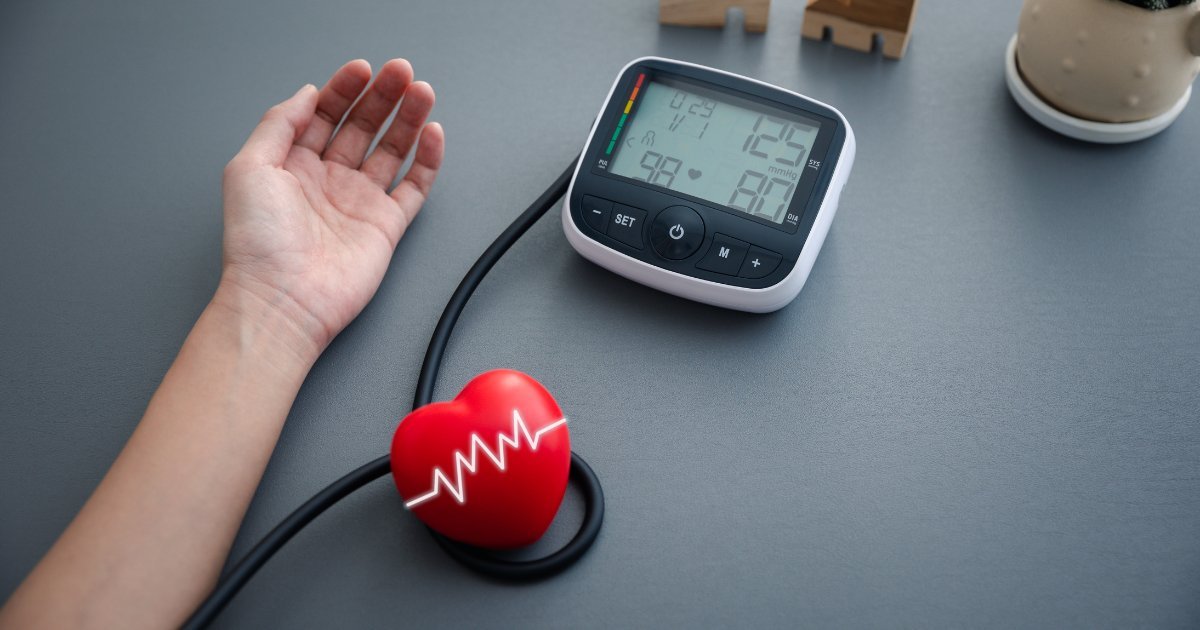
Blood pressure is not just “a number” in the office. Sustained elevated blood pressure increases the risk of infarction, cerebral event and heart failure, However, it is also true that many measurements are poorly done and lead to wrong diagnoses.
In this guide you will see:
- What are the blood pressure goals according to your profile.
- How to take your blood pressure at home correctly.
- The most frequent errors that alter the figures.
- When does it make sense to ask for a MAP 24 h or a cardiological check-up to refine the diagnosis.
This content is informative and is not a substitute for a personalized medical assessment.
Blood pressure goals according to profile
In adults, these indicative ranges (in mmHg) are usually used:
| Category | SBP (systolic) | DBP (diastolic) |
|---|---|---|
| Normal | < 120 | y < 80 |
| High / “normal-high” | 120-129 | y < 80 |
| Grade 1 hypertension | 130-139 | o 80-89 |
| Grade 2 hypertension | ≥ 140 | o ≥ 90 |
The goals depend on your clinical situation. In a practical way:
- Many adults without comorbidities:
- Usual goal: < 130/80 mmHg, if tolerated.
- Patients with diabetes, kidney disease or cardiovascular disease:
- Stricter control is often sought, around < 130/80 mmHg, individualized according to age, symptoms and other factors.
- Very old or frail people:
- Targets are adjusted to avoid dizziness and falls; very low figures are not always targeted.
In order to define your real goals, a formal assessment is recommended, ideally within a cardiological check-up.
Advantages of measuring your blood pressure at home
Home measurements, when done properly, provide valuable information:
- Reduces the white coat effect (high numbers only in the office due to nerves).
- It allows you to see how your pressure is behaving in the real life.
- It helps to know if your treatment is working throughout the day.
- It can prevent or confirm diagnoses of hypertension.
In some cases, even with records at home, it is supplemented with a MAP 24 hours to have a complete 24 h profile.
How to take your blood pressure at home (step by step)
1. Choose the right equipment
- Tensiometer automatic arm (not wrist), clinically validated.
- Bracelet the right size for your arm (not too short and not too long).
2. Prerequisites
- Do not smoke, drink coffee, energy drinks or alcohol on the 30 minutes prior.
- Empty the bladder before measurement.
- Avoid intense exercise just before.
3. Correct position
- Sitting in a chair, with back supported y feet flat on the floor, without crossing your legs.
- Lean your arm on a table, at the heart height, The bracelet should be worn directly on the skin (not on thick clothing).
- Stay tuned to at rest for at least 5 minutes before the first measurement.
4. Number of measurements
- Make 2 measurements separated by 1-2 minutes, and record the average.
- In initial evaluations, measurement may be recommended:
- In the morning (before medication and breakfast).
- In the evening (before dinner or bedtime).
Always follow the specific indications of your cardiologist, as she may ask you for a more detailed scheme according to your case.
Frequent errors that alter the figures
Several common mistakes can make your numbers look higher or lower than they really are:
- Measuring with crossed legs.
- Talk, look at your cell phone or move around while the cuff is inflating.
- Bracelet on thick clothing or too tight.
- Wearing the wrong size cuff (too small can lead to a overestimate pressure).
- Measure immediately after climbing stairs, arguing or exertion.
- Take just one isolated measurement in a moment of stress and assume that “you are always like this”.
Correcting these errors greatly improves the usefulness of your records. If, despite getting it right, the numbers are still elevated, it is a stronger argument for your cardiologist to adjust your treatment.
When a 24 h MAP is convenient
Although home measurements are very useful, sometimes they are not enough. The 24 h Ambulatory Blood Pressure Monitoring (ABPM) can be key when:
- Your figures are highly variable between office and home.
- In the office they are high, but at home they are almost always normal (suspicion of white coat effect).
- You have significant risk factors, but the office measurements do not seem to justify the diagnosis (possible masked hypertension).
- You are already receiving treatment and there are still doubts as to whether or not you are well controlled throughout the day and night.
In these scenarios, the 24 h MAPA helps to decide whether you really need to initiate, adjust or even reduce antihypertensive treatment. You can review more details in the article on MAP 24 h: when to ask for it and what it reveals.
Other factors that influence your lobbying goals
In addition to the figures themselves, your cardiologist takes into account:
- Age and other conditions (diabetes, kidney disease, coronary heart disease).
- Target organ damage (heart, kidneys, vessels, retina).
- Medications you already use and how they make you feel (dizziness, tiredness, etc.).
- Lifestyle habits (diet, salt intake, physical activity, sleep, stress).
For example:
- A young person with hypertension and a family history of early infarction may benefit from stricter goals.
- A frail older adult may have less aggressive goals to avoid falls and adverse effects.
Therefore, although the tables provide guidance, the final decision about your goals should be individual.
Warning signs related to blood pressure
Although many people with elevated blood pressure feel nothing, there are symptoms that warrant immediate medical attention:
- Sudden severe headache, different from usual.
- Oppressive chest pain.
- Significant shortness of breath.
- Sudden neurological deficits (slurred speech, deviation of the mouth, loss of strength on one side of the body).
- Sudden onset blurred vision.
In these cases, the priority is not to adjust the pressure pill at home, but rather to look for urgent attention.
How to integrate all this into your heart care
Good blood pressure management includes:
- Proper measurement at home, without technical errors.
- Define realistic goals according to your risk.
- Adjust medications based on objective data (home records, 24 h MAP when indicated).
- Work on high-impact habits: diet, sodium, weight, exercise, sleep, stress management.
- Regular follow-up within a cardiological check-up when there are accumulated risk factors or established cardiovascular disease.
If your numbers are repeatedly elevated, if you have doubts about whether you really are hypertensive, or if your current treatment is working, you can use the contact to schedule an assessment and define a clear plan.
References
- 2017 ACC/AHA Guideline for the Prevention, Detection, Evaluation, and Management of High Blood Pressure in Adults.
https://www.ahajournals.org/doi/10.1161/HYP.0000000000000065 - 2018 ESC/ESH Guidelines for the management of arterial hypertension.
https://academic.oup.com/eurheartj/article/39/33/3021/5079119 - O'Brien E. et al. Ambulatory blood pressure monitoring in the diagnosis and management of hypertension.
https://www.ahajournals.org/doi/10.1161/CIRCULATIONAHA.110.956839