
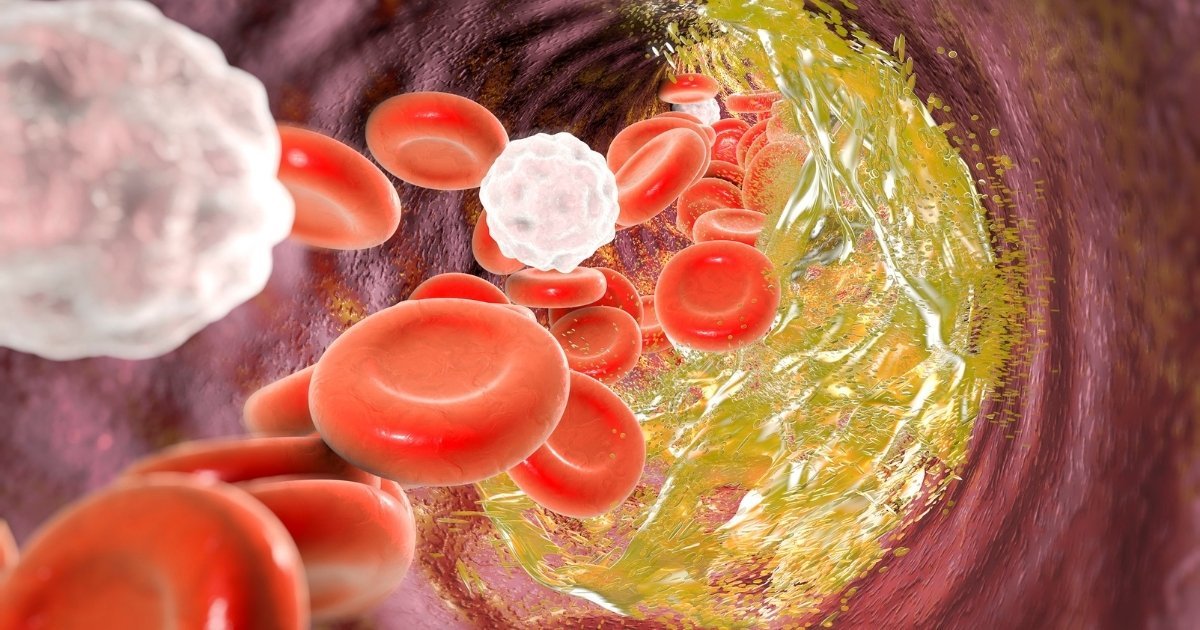
LDL cholesterol (“bad cholesterol”) is one of the strongest determinants of cardiovascular risk. Lowering it in a sustained manner reduces heart attacks and cerebral events. Here you will see the LDL targets according to your level of risk and how to achieve them combining habits and treatment.
Short notice: This guide is informative and does not replace your medical plan. Customize each step in a clinical cardiology consultation.
LDL-C goals according to your risk
International guidelines recommend different LDL targets depending on the risk of each individual:
| Risk | LDL-C target | Clues to locate you |
|---|---|---|
| Very high | < 55 mg/dL and/or ≥ 50 % of reduction | Previous infarction/angina, stent, peripheral artery disease, diabetes with organ damage |
| High | < 70 mg/dL and/or ≥ 50 % of reduction | Several risk factors (hypertension, smoking, high cholesterol, family history) |
| Moderate | < 100 mg/dL | 1-2 risk factors, no established cardiovascular disease |
| Under | < 116 mg/dL | Young adults without comorbidities |
If you have already had a heart attack or had a stent placed, prevention does not end at the hospital. It can be key to complement your care with Cardiac rehabilitation.
How to reach your goals (practical route)
1) Lifestyle with real impact
- Cardioprotective nutrition (Mediterranean/DASH):
- Less saturated fats (sausages, processed meats, full-fat dairy products) and trans fats.
- More soluble fiber (oats, legumes, fruits, vegetables), fish and olive oil.
- Aerobic physical activity: at least 150 minutes per week (brisk walking, cycling, swimming).
If you are just starting out or want to train with more intensity, you may find it useful to have a Stress test to set safe zones. - Healthy weight: losing 5-10 % of initial weight already improves the lipid profile.
- Zero tobacco and moderate or no alcohol.
Expected reduction of LDL with habits alone: around 5-15 %. In people at high or very high risk, additional pharmacological treatment is almost always required.
2) First line: statins
The statins are the basis of treatment to lower LDL:
- They can reduce LDL between 30 and 60 % depending on the dose and type.
- In high or very high risk, we recommend doses of high intensity, for example:
- Atorvastatin 40-80 mg
- Rosuvastatin 20-40 mg
It is common to repeat the lipid profile at 4 to 12 weeks to start or adjust doses to verify that you are on target.
If this is your first cardiology evaluation or you have experienced palpitations or chest pain, your physician may rely on a Electrocardiogram (ECG) or other studies to get a more complete picture of your risk.
3) When a statin is not enough: ezetimibe
If with the best tolerated statin dose you do not reach your LDL target, the usual next step is to add ezetimibe:
- Typical dose: 10 mg per day.
- May reduce LDL 15-25 Additional %.
- Generally well tolerated and easy to use.
4) Very high risk and familial hypercholesterolemia: PCSK9 inhibitors.
In people of very high risk (previous heart attacks, multiple events, very high LDL) or with familial hypercholesterolemia, can be considered the use of PCSK9 inhibitors (such as evolocumab or alirocumab):
- The following apply subcutaneously every 2-4 weeks.
- LDL levels are very markedly lowered (additional reduction of 50-60 %).
- They have been shown to reduce infarctions, the need for new procedures and some cardiovascular mortality outcomes.
5) Other options in specific cases
- Inclisiran: interfering RNA-based drug administered every 6 months; useful when adherence to daily pills is difficult.
- Bempedoic: oral option designed for some patients with statin intolerance.
- Purified Omega-3: do not lower LDL, but they do help when they are triglycerides are elevated.
The choice of each drug depends on your medical history, other conditions, previous studies and specific goals.
Follow-up schedule (0-12 weeks)
A practical scheme could look like this:
- Week 0
- Global risk assessment and definition of LDL target.
- Statin initiation or adjustment.
- Initiation of lifestyle changes.
- In patients with several risk factors or a family history, it may be useful to have a Cardiac check-up to integrate blood pressure, electrocardiogram and other studies.
- Week 4-6
- Adherence check: did you take the medications every day, were there any side effects?
- Dose adjustments if necessary.
- Week 8-12
- New lipid profile to confirm if LDL is at the target range.
- If LDL continues to over the target, add ezetimibe.
- If, despite statin + ezetimibe, you are still far from the target and your risk is very high, consider PCSK9 inhibitors.
In those who also have hypertension or discordant blood pressure data (different figures at home and in the office), follow-up can be supported with the cardiological studies (e.g., ambulatory blood pressure monitoring).
Safety and warning signs
Although most patients tolerate treatment well, it is important to be vigilant:
- Muscle pain or weakness persistent, especially if accompanied by fever or extreme tiredness.
- Darker than usual urine or important general symptoms.
- Alterations in liver tests (they are checked in control laboratories).
In addition, any oppressive chest pain, severe shortness of breath, fainting, or sustained palpitations with malaise requires immediate medical evaluation.
What do we measure besides LDL?
In some cases, your cardiologist may order additional studies to refine the risk:
- ApoB: indicates the total amount of atherogenic particles (those most associated with plaque formation).
- Lipoprotein(a): is evaluated especially if there is family history of early infarction or premature cardiovascular disease.
These parameters can be integrated into a cardiological check-up complete.
What does success in LDL control look like?
- LDL at goal defined for your level of risk (and many times ≥ 50 % minus than your initial value).
- Well tolerated treatment, without relevant adverse effects.
- Sustainable habits diet, exercise and not smoking.
- Lower probability of future infarction, cardiac procedures and cerebrovascular events.
If you have doubts about what your cholesterol goals should be or are unsure if your current treatment is sufficient, you can schedule your assessment to review studies, adjust the plan and define clear objectives.
References (clickable)
- AHA/ACC 2018/2019 Cholesterol Guideline (Circulation):
https://www.ahajournals.org/doi/10.1161/CIR.0000000000000625 - ESC/EAS 2019 Dyslipidaemia Guideline (European Heart Journal):
https://academic.oup.com/eurheartj/article/41/1/111/5556353 - ACC 2022 Expert Consensus on Nonstatin Therapies (JACC):
https://www.jacc.org/doi/10.1016/j.jacc.2022.07.006 - FOURIER - Evolocumab Outcomes (NEJM):
https://www.nejm.org/doi/full/10.1056/NEJMoa1615664 - ODYSSEY OUTCOMES - Alirocumab (NEJM):
https://www.nejm.org/doi/full/10.1056/NEJMoa1801174 - Bempedoic Acid in Statin-Intolerant Patients (NEJM 2023):
https://www.nejm.org/doi/full/10.1056/NEJMoa2215024